


Whether they are working animals or household pets, our furry friends bring plenty of value to our lives, but who is responsible when these animals cause injury?
From dog bites on city sidewalks to run-ins with cows on rural roads, many types of animal encounters can leave people dealing with significant physical or emotional injuries.
When animals injure people, the legal fallout can be serious – here’s what matters.
The Special Status of Dogs in the Law
If you own a dog, you probably don’t need to be told they are special. However, you may be surprised to know that provincial law also singles out canines for special treatment, thanks to the Dog Owners’ Liability Act (DOLA).
This unique piece of legislation (no other animal has a similarly devoted law) imposes strict liability on owners for the actions of their dogs. Essentially, this means that when a dog causes any kind of harm to another person, its owner will automatically be held responsible, regardless of the circumstances leading up to the event.
From a personal injury claimant’s point of view, the key point here is that plaintiffs are relieved from the burden of proving negligence or wrongdoing by the owner.
Bringing a DOLA Claim
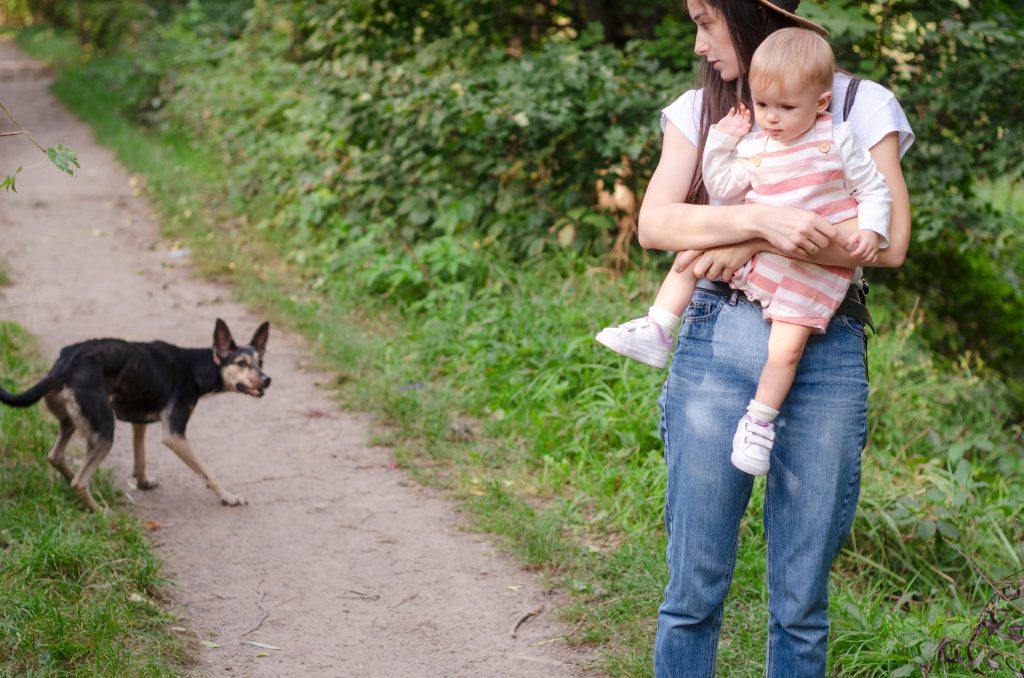
Physical contact between the dog and the claimant is not a requirement for compensation under the DOLA, so some of the injuries that could be covered are more obvious than others. They include:
- Physical wounds, infections, or disabilities resulting from a dog bite.
- Injuries sustained falling from a bicycle while trying to avoid an unleashed dog.
- Tripping and falling while pursued by an aggressive dog.
Another important factor to consider before bringing a claim under the DOLA is the owner’s insurance coverage. Depending on the specifics of their policy, DOLA claims may be covered by their home insurance. If the dog’s owner is renting or their insurer will not respond, then it may be more difficult for injury victims to collect on any judgment in their favour.
Defending a Claim Under the DOLA
Although the concept of “strict liability” makes it easier for a dog attack victim to prove their claim, it doesn’t mean dog owners are without defences.
A court will also consider the behaviour of the injury victim when it comes to setting the quantum of damages for an injury. For example, if the injured person was trespassing on the dog owner’s property, did something to provoke the animal, or was careless about their own safety, a judge may invoke another key legal concept: contributory negligence.
When a person is found partly at fault for their injuries, a judge will assign them a percentage of the blame and reduce their damages accordingly. For example, if a judge concludes that you suffered damages worth $100,000 and assigns you 25% of the blame, your award will be reduced by that proportion, leaving 75% of the total, or $75,000.
Who is the Owner? It May Surprise You
Another avenue for defendants is found in the Act’s definition of a dog’s “owner,” which is wide enough to include people who would not usually describe themselves that way. For example, in one recent case, a part-time dog-walker lost her DOLA claim against her employer’s client after suffering significant leg and arm injuries while attempting to put on the dog’s footwear.
The judge concluded she could be considered an owner under the Act because she was “in physical possession” of the dog just before the incident. Under the legislation, all owners are jointly and severally liable, which meant she had no valid claim.
Livestock and Other Animals
When an injury is caused by any animal other than a dog, the issue of liability comes back into play. Judges look to the principles of negligence to determine cases, considering several factors, including how foreseeable the incident was and whether the animal’s owner took reasonable precautions to prevent something similar from occurring.
Cases with a personal injury lawyer and claimant often proceed under the Occupiers’ Liability Act, which provides a mechanism for injury victims to sue the owners and managers of property for damages when they fail to meet their duty of care.
In rural areas, livestock encounters are among the most common animal injury cases that do not involve dogs. While law is relatively lacking in this area, a couple of notable cases demonstrate how fact-dependent the outcomes can be when negligence is alleged.
- In one case, a farm owner was held liable for injuries suffered by a motorcycle rider in a collision with an escaped donkey after the judge concluded they had failed to sufficiently donkey-proof their fencing.
- Meanwhile, a B.C. judge found a farmer was not liable for damage caused to a vehicle by his cows when they got onto the road through a damaged fence. The judge concluded that the farmer had taken reasonable care to contain the animals, keeping the fence in good condition and conducting regular checks before a tree limb ultimately fell on it, paving the way for the escape.
Pet Injuries
Across the country, Canadians increasingly view their animals as members of the family, so it can be devastating for an owner to witness a serious attack on their pet by a dog or other animal.
Unfortunately, our courts have not kept pace with the times in this area, often adopting a less sentimental approach to animals than the owners who appear before them.
In the courtroom, pets are often considered more like commercial items or personal property with a replacement value. As a result, judges do not tend to make significant damage awards for the loss of a pet.
If you or a loved one has been bitten or attacked by an animal or have any other questions about a personal injury claim, feel free to contact me or another member of the team of personal injury lawyers in Oakville at Edwards Pollard LLP.